Review: Malum – From the Voids

Share
Review by Transmontanus
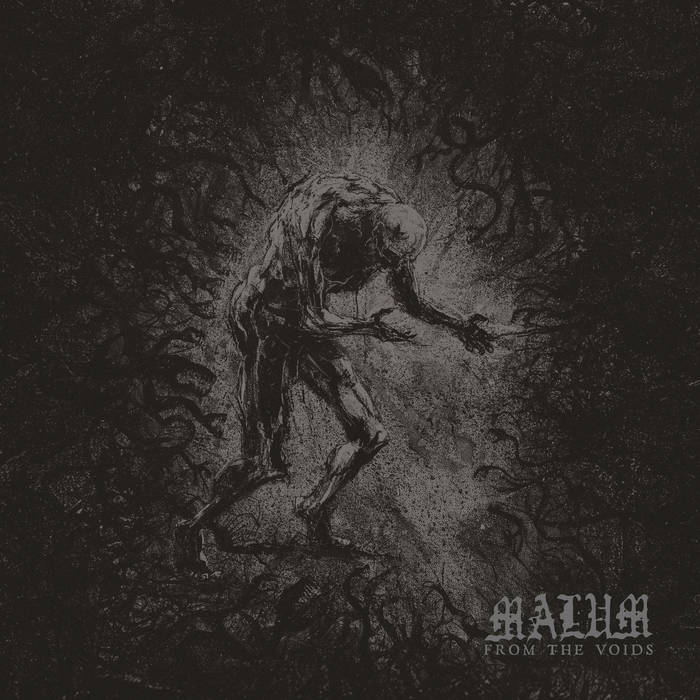
Malum – From the Voids
Record Label: Dark Essence Records
Year: 2026
Rating: 8/10
There is a particular kind of darkness that does not erupt; it settles. It seeps into the marrow, slow and suffocating, more existential than violent. On “From the Voids”, Norway’s Malum embraces precisely that space, delivering a record that feels less like an assault and more like an irreversible descent. Released on 27 March 2026 via Dark Essence Records, “From the Voids” marks a decisive step forward for a band that has quietly carved its identity within the contemporary Norwegian underground. Comprised of six tracks across a taut 38 minutes, the album wastes no time in establishing its tone: oppressive, introspective, and unflinchingly bleak.
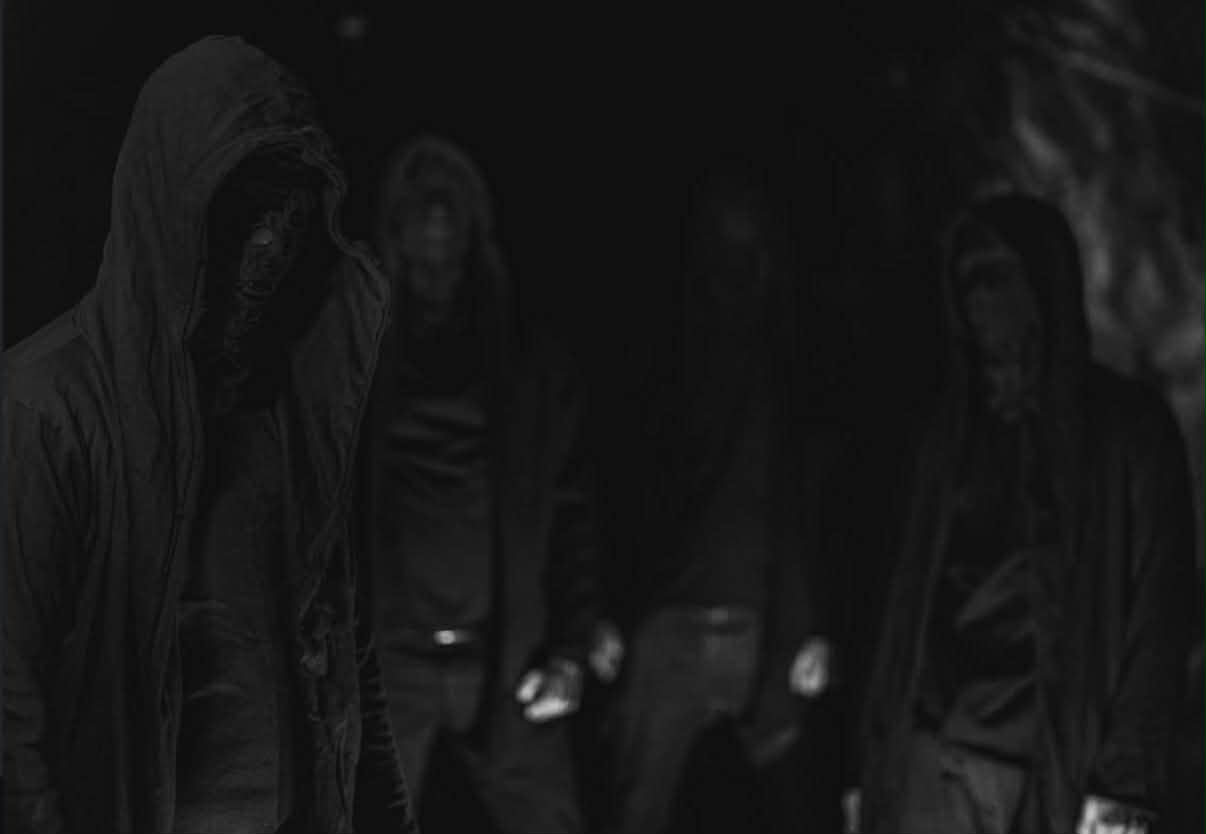
Malum
Opening cut “Stare into Darkness” functions as both an invocation and a warning. Built on mid-tempo pacing and repetitious, suffocating riff cycles, it rejects the genre’s more immediate extremities in favour of immersion. The effect is hypnotic, almost ritualistic, anchored by cavernous vocals that feel less performed than exhumed. This is not Black Metal as spectacle; it is Black Metal as confrontation.
That ethos permeates the entire record. Malum’s sound, rooted firmly in the second-wave tradition, is sharpened here into something colder, more deliberate. Rather than relying solely on velocity, the band leans into weight: riffs linger, atmospheres thicken, and tension is allowed to fester. The result is a form of black metal that feels deeply internalised, music shaped as much by nihilism and existential dread as by genre convention.“Ignorance Made Bliss” pushes further into this territory, its slow-burning aggression culminating in bursts of violence that feel earned rather than obligatory. Elsewhere, “In Gloom II” introduces a more atmospheric dimension, weaving fragile melodic threads through the record’s otherwise impenetrable density. It is here that Malum reveal their most compelling strength: restraint. They understand when to escalate, and, crucially, when not to.
Tracks like “Deranged and Depraved” and “Hollow” deepen the album’s psychological weight. Dissonance is employed not for chaos, but for unease; groove emerges not as relief, but as inevitability. Lyrically, the themes orbit around emptiness, modern alienation, and the quiet horror of existence itself, a “dark, broken, and hollow” worldview rendered with unsettling clarity. The title track fittingly closes the album. Expansive yet restrained, it feels like the logical endpoint of the journey: not a climax, but a dissolution. There is no catharsis here, only acceptance of the void.
If “From the Voids” reveals a limitation, it lies in its very consistency. The album’s oppressive atmosphere, while undeniably effective, occasionally borders on uniformity. Individual tracks risk blending into a single, monolithic experience, a deliberate artistic choice, perhaps, but one that may test listeners seeking a sharper distinction between movements. Yet to frame this as a flaw is to misunderstand the album’s intent. Malum are not crafting songs; they are constructing a state of being. This is Black Metal stripped of theatrical excess, distilled into something stark, philosophical, and quietly devastating.
In an era where the genre often oscillates between nostalgic imitation and experimental excess, “From the Voids” occupies a rare middle ground. It honours its lineage while refining its language, less concerned with innovation than with precision. The result is an album that does not demand attention but absorbs it. Cold, patient, and unrelenting, “From the Voids” is not merely heard; it is endured.
You Might also Like